Author: adhd

  • Why Simple Tasks Feel Harder Than They Should

    Why Simple Tasks Feel Harder Than They Should

    This is one of the hardest things to explain.

    Because it sounds ridiculous when you say it out loud.

    You can:

    • Understand complex ideas
    • Solve difficult problems
    • Think deeply about things others miss

    And yet…

    You struggle with things that should be simple.

    Replying to a message.
    Starting a task.
    Making a phone call.
    Doing something basic you’ve done before.

    And that contrast feels confusing.

    Even embarrassing.


    The Question That Follows

    It always leads to the same thought:

    “Why can I do complicated things… but not simple ones?”

    And without a clear explanation, the answer feels obvious:

    “There must be something wrong with me.”

    But that conclusion is wrong.


    This Isn’t About Intelligence

    Let’s say this clearly.

    This has nothing to do with how intelligent you are.

    You’ve already proven your ability.

    In multiple ways.

    The issue isn’t understanding.

    It’s activation.


    Why “Simple” Tasks Feel Harder

    This is where it starts to make sense.

    Simple tasks often have something in common.

    They’re:

    • Low stimulation
    • Repetitive
    • Uninteresting

    Which means your brain doesn’t engage with them easily.

    There’s no pull.

    No urgency.

    No reason for your brain to switch on.

    So even though the task is easy…

    Starting it isn’t.


    The Hidden Complexity of “Simple” Tasks

    This is something people don’t see.

    What looks simple on the surface…

    Can involve multiple steps internally:

    • Deciding to start
    • Switching attention
    • Holding the task in mind
    • Following through

    And each of those requires activation.

    So the difficulty isn’t the task itself.

    It’s the process of getting into it.


    Why Complex Things Can Feel Easier

    This is where it becomes clearer.

    Complex tasks often provide:

    • Stimulation
    • Challenge
    • Interest

    Which means your brain engages more easily.

    It locks in.

    Focus builds.

    Momentum happens.

    So even though the task is objectively harder…

    It feels easier to start.


    The Frustration This Creates

    Because from the outside, it looks backwards.

    People think:

    “If you can do that… why can’t you do this?”

    And internally, you think the same.

    Which creates frustration.

    Because it feels like you’re failing at things you should be able to do.

    Even when you’re not.


    The Shame That Builds Around It

    This is where it becomes emotional.

    Because when “simple” things don’t get done…

    They build up.

    Messages left unanswered.
    Tasks left unfinished.
    Things left hanging.

    And over time, that creates:

    • Guilt
    • Embarrassment
    • Self-doubt

    Not because you don’t care.

    Because you can’t explain why it’s happening.


    Why “Just Do It” Doesn’t Work

    This is where advice falls short.

    “It’ll only take a minute.”

    “Just get it done.”

    If it were that simple…

    You would have done it already.

    The issue isn’t time.

    It’s activation.

    And without activation…

    The task doesn’t start.


    The Shift That Changes Everything

    You stop asking:

    “Why can’t I do simple things?”

    And start asking:

    “What makes this hard to start?”

    Because once you understand that…

    You can work with it.


    What Actually Helps

    This is where things become practical.

    Instead of focusing on the whole task…

    You focus on entry points.

    Which can mean:

    • Reducing the number of steps
    • Making the first action extremely small
    • Adding some level of engagement or urgency
    • Lowering the mental barrier to starting

    You’re not making the task easier.

    You’re making it easier to begin.


    You’re Not Struggling With Simple Things

    This is the reframe.

    You’re not bad at simple tasks.

    You’re dealing with tasks that don’t trigger your brain to engage.

    And once you understand that…

    It stops feeling like a personal failure.


    The Relief of Understanding This

    When this clicks, something shifts.

    Because now:

    • You stop questioning your ability
    • You stop feeling embarrassed about small things
    • You start recognising the real issue

    And that changes how you approach everything.


    👉 Ready to Finally Understand Your Brain?

    If you’ve ever wondered why “simple” things feel harder than they should…

    If you’ve questioned yourself because of it…

    This isn’t about intelligence.

    It’s about how your brain activates.

    You’re not broken.

    You’ve just never been shown what’s actually happening.

    Start here:
    👉 www.yourbrainisntbroken.co.uk


    Know someone who struggles with “simple things”?
    Send them this.

    Because they’re probably questioning themselves… when they don’t need to.

  • You’re Not ‘Too Much’: Embrace Your ADHD

    You’re Not ‘Too Much’: Embrace Your ADHD

    At some point, you probably felt it.

    Not always said out loud.

    But implied.

    Subtle.

    Consistent.

    That feeling of being…

    “a bit much.”

    Too intense.
    Too distracted.
    Too inconsistent.
    Too emotional.

    Just… too something.


    Where That Feeling Comes From

    It doesn’t start with you.

    It starts with reactions.

    People not quite understanding how you operate.

    Moments where your response doesn’t match expectations.

    And instead of asking why…

    The easiest conclusion is:

    “That’s just how they are.”

    And slowly, that becomes:

    “That’s just how you are.”


    The Labels That Stick

    They don’t always sound harsh.

    Sometimes they’re framed lightly.

    Almost jokingly.

    But repeated enough…

    They land.

    “You’re a bit chaotic.”
    “You’re hard to keep up with.”
    “You overthink everything.”
    “You’re intense.”

    And over time, those words stop feeling external.

    They become internal.


    How It Changes You

    This is the part no one sees.

    You start adjusting yourself.

    Not dramatically.

    Just enough.

    You:

    • Hold things back
    • Second-guess what you say
    • Try to tone yourself down
    • Become more aware of how you’re coming across

    Not because you want to change who you are.

    Because you don’t want to feel like too much again.


    The Internal Conflict

    Because at the same time…

    You know this isn’t the full picture.

    You know:

    • Your intensity has value
    • Your thinking has depth
    • Your energy creates things others don’t

    But when those qualities are misunderstood…

    They get labelled as problems.

    And that creates tension.

    Between who you are…

    And who you feel expected to be.


    Why This Isn’t About You Being “Too Much”

    This is the shift.

    You’re not too much.

    You’re just operating in environments that don’t always understand how you work.

    Because when people expect:

    • Consistency over intensity
    • Calm over energy
    • Predictability over variation

    Anything outside that can feel “too much”.

    Even when it isn’t.


    The Mismatch No One Talks About

    This is the real issue.

    It’s not about you being too much.

    It’s about mismatch.

    Between:

    • How you process things
    • And how others expect things to be processed

    And when those don’t align…

    You stand out.

    Not because you’re wrong.

    Because you’re different.


    What Happens When You Start Believing It

    This is where it becomes damaging.

    Because once you believe you’re “too much”…

    You start reducing yourself.

    You:

    • Hold back ideas
    • Filter your personality
    • Avoid expressing things fully

    And over time…

    You become smaller.

    Not because you are smaller.

    Because you’re trying not to be “too much”.


    The Truth That Changes Everything

    Let’s say this clearly.

    You were never too much.

    You were misunderstood.

    Your energy wasn’t excessive.

    It was unrecognised.

    Your thinking wasn’t over the top.

    It was deeper than expected.

    Your reactions weren’t wrong.

    They were processed differently.


    The Strength Hidden Inside It

    This is the part people miss.

    The same qualities that get labelled as “too much”…

    are the ones that create:

    • Creativity
    • Insight
    • Connection
    • Energy

    They’re not flaws.

    They’re strengths that haven’t been framed properly.


    The Shift That Changes Everything

    You stop asking:

    “How do I tone myself down?”

    And start asking:

    “Where does this actually fit?”

    Because the goal isn’t to become less.

    It’s to be understood properly.


    You Don’t Need to Be Less

    This is the part worth remembering.

    You don’t need to shrink.

    You don’t need to filter yourself into something more acceptable.

    You don’t need to become easier to manage.

    You need environments, people, and systems that understand how you operate.

    That’s the difference.


    The Relief of Realising This

    When this clicks, something shifts.

    Because now:

    • You stop trying to reduce yourself
    • You stop apologising for how you think and feel
    • You start recognising your value properly

    And that changes how you show up.


    👉 Ready to Finally Understand Your Brain?

    If you’ve ever felt like you’re “too much”…

    If you’ve been trying to tone yourself down without really knowing why…

    This isn’t about changing who you are.

    It’s about understanding it properly.

    You’re not broken.

    You were never too much.

    Start here:
    👉 www.yourbrainisntbroken.co.uk


    Know someone who feels like they’re “too much”?
    Send them this.

    Because they’ve probably spent too long trying to be less… when they never needed to.

  • Why ADHD Interruptions Feel Devastating

    Why ADHD Interruptions Feel Devastating

    You finally get into it.

    Not easily.

    Not quickly.

    But you get there.

    You’re focused.
    Locked in.
    Making progress.

    Things are moving.

    And then—

    Ping.

    A message.
    A question.
    A quick interruption.

    “Just a second.”

    You respond.

    You turn back.

    And it’s gone.


    The Moment Focus Breaks

    This is the part that’s hard to explain.

    Because from the outside, it looks small.

    “You were only interrupted for a minute.”

    But internally?

    It’s not a pause.

    It’s a reset.

    The thread you were following disappears.

    The momentum drops.

    The clarity fades.

    And suddenly, you’re back at the start.


    Why Momentum Matters So Much

    For many people, focus builds gradually.

    They can dip in and out.

    Pick things back up.

    Continue where they left off.

    For you?

    It’s different.

    Focus isn’t just about attention.

    It’s about momentum.

    And momentum takes effort to build.

    Which means when it’s broken…

    It’s not easy to get back.


    The Cost of “Quick” Interruptions

    This is where it becomes frustrating.

    Because interruptions are often small.

    Brief.

    Harmless on the surface.

    But the cost isn’t the interruption itself.

    It’s what it disrupts.

    You lose:

    • Your train of thought
    • Your engagement
    • Your mental position within the task

    And rebuilding that?

    Takes time.

    Energy.

    Effort.


    Why Restarting Feels So Hard

    Once the flow is broken, something shifts.

    The task feels heavier.

    Less clear.

    Less engaging.

    So instead of picking up where you left off…

    You hesitate.

    You stall.

    You delay.

    Not because you don’t want to continue.

    Because the entry point has disappeared.


    The Frustration That Follows

    This is where it turns emotional.

    You think:

    “I was doing so well.”
    “I just need to get back into it.”
    “Why is this so hard now?”

    And without understanding what happened…

    It feels like you’ve lost something.

    Even though you haven’t.

    You’ve just lost momentum.


    Why This Gets Misunderstood

    From the outside, it can look like:

    • Being easily distracted
    • Lack of focus
    • Overreaction to small interruptions

    But those explanations miss the point.

    This isn’t about distraction.

    It’s about disruption.

    And the difference matters.


    The Environment Factor

    This is why certain environments feel impossible.

    Open offices.
    Constant notifications.
    People asking questions.

    Even small interruptions add up.

    Because every break in focus resets your momentum.

    And if that happens repeatedly…

    You never fully get into the task.


    Why You Might Avoid Starting Again

    Once focus has been broken a few times…

    Your brain starts to anticipate it.

    It thinks:

    “What’s the point?”
    “I’ll just get interrupted again.”

    So instead of restarting…

    You delay.

    Or switch tasks.

    Or stop completely.

    Not because you’ve given up.

    Because the effort to rebuild momentum feels too high.


    This Isn’t About Weak Focus

    Let’s say this clearly:

    You don’t have weak focus.

    You have deep focus.

    But it requires the right conditions.

    And one of those conditions is continuity.

    Without it?

    Focus can’t stabilise.


    The Shift That Changes Everything

    You stop asking:

    “Why do I get distracted so easily?”

    And start asking:

    “How do I protect my focus?”

    Because once you see focus as something that needs protection…

    You treat it differently.


    What Actually Helps

    This is where things become practical.

    You can:

    • Reduce interruptions where possible
    • Batch responses instead of reacting instantly
    • Create focused time blocks
    • Use signals to show you’re unavailable

    You’re not trying to eliminate distraction entirely.

    You’re reducing how often your momentum gets broken.


    You Didn’t Lose Focus—You Lost Flow

    This is the reframe.

    You didn’t suddenly become unfocused.

    Your flow was interrupted.

    And flow takes time to rebuild.

    Once you understand that…

    You stop blaming yourself for it.


    The Relief of Understanding This

    When this clicks, something shifts.

    Because now:

    • You recognise why interruptions feel so disruptive
    • You stop expecting instant recovery
    • You start protecting your focus properly

    And that changes how you work.


    👉 Ready to Finally Understand Your Brain?

    If interruptions completely derail your focus…

    If restarting always feels harder than it should…

    This isn’t about trying harder.

    It’s about understanding what your brain actually needs.

    You’re not broken.

    You just haven’t been shown how to protect your focus yet.

    Start here:
    👉 www.yourbrainisntbroken.co.uk


    Know someone who gets thrown off by “quick interruptions”?
    Send them this.

    Because they’re probably not overreacting… just losing something that’s hard to rebuild.

  • Why ADHD Brains Thrive at Night

    Why ADHD Brains Thrive at Night

    All day… nothing.

    You try to start.
    You think about starting.
    You plan to start.

    But it doesn’t happen.

    Everything feels slow.

    Heavy.

    Resistant.

    And then…

    It gets late.

    Really late.

    And suddenly?

    You can focus.

    You start things.
    You make progress.
    You get into it.

    The same tasks that felt impossible earlier…

    Now feel manageable.


    The Question That Follows

    And it always leads to the same thought:

    “Why couldn’t I do this earlier?”

    “What changed?”

    Because nothing about the task is different.

    The only thing that changed…

    Is the time.


    It’s Not About Being a “Night Person”

    This isn’t just preference.

    It’s not simply that you “like evenings”.

    There’s a shift happening in your brain.

    And once you see it…

    It starts to make sense.


    The Pressure Drop

    During the day, there’s pressure.

    Visible or not.

    Expectations.

    Time awareness.

    The feeling that you “should” be doing something.

    That pressure creates resistance.

    Not motivation.

    Resistance.

    Because your brain doesn’t respond well to “should”.


    At Night, That Pressure Fades

    Something changes when it gets late.

    The day is done.

    Expectations drop.

    No one is waiting.

    No one is watching.

    There’s less urgency…

    And strangely, that creates more freedom.

    And in that space?

    Your brain relaxes.

    And once it relaxes…

    It engages.


    The “Nothing Else Matters” Effect

    At night, there’s a subtle shift:

    You feel like there’s nothing else you should be doing.

    So the task in front of you becomes easier to approach.

    There’s less internal conflict.

    Less pressure to choose between things.

    Which means your attention can settle.


    Why Distractions Feel Different

    During the day, everything competes.

    Messages.
    Tasks.
    Reminders.
    Noise.

    At night?

    Less input.

    Less interruption.

    Fewer competing demands.

    And that makes focus easier.

    Not because you’re trying harder.

    Because there’s less pulling you away.


    The Urgency Shift

    There’s also a subtle psychological shift.

    Time feels different at night.

    There’s a sense of:

    “This is the last chance to get something done.”

    And that creates urgency.

    Not panic.

    But activation.

    And once your brain feels that?

    It switches on.


    Why This Creates a Pattern

    Once you’ve experienced this…

    Your brain starts to associate night-time with productivity.

    So it leans into it.

    It waits for it.

    Because that’s when things feel easier.

    And over time, this becomes a cycle:

    Day = Resistance
    Night = Engagement


    The Frustration of Knowing This

    Because you know it’s not ideal.

    You know you can’t rely on late nights forever.

    You know you’d rather feel that clarity earlier.

    But trying to force it during the day…

    Doesn’t produce the same result.

    Which makes it feel like something is wrong.

    Even when it isn’t.


    This Isn’t About Discipline

    Let’s say this clearly:

    This isn’t a discipline issue.

    You’re not lazy during the day.

    You’re not suddenly “better” at night.

    Your brain is responding to different conditions.

    And those conditions affect:

    • Focus
    • Engagement
    • Activation

    The Shift That Changes Everything

    You stop asking:

    “Why can’t I do this earlier?”

    And start asking:

    “What makes night-time work?”

    Because once you understand that…

    You can start recreating those conditions.


    What Actually Helps

    You don’t need to become a night person.

    You need to reduce the gap between day and night conditions.

    Which can mean:

    • Reducing pressure and expectations
    • Limiting distractions
    • Creating quiet, focused environments
    • Lowering the mental weight of starting

    You’re not forcing focus.

    You’re making it easier for your brain to engage.


    You’re Not “Better at Night”—You’re Less Restricted

    This is the reframe.

    You’re not magically more capable at night.

    You’re less pressured.

    Less interrupted.

    Less conflicted.

    And that makes everything easier.


    The Relief of Understanding This

    When this clicks, something shifts.

    Because now:

    • You stop blaming yourself for slow days
    • You understand why evenings feel different
    • You start working with your patterns

    And that changes how you approach your time.


    👉 Ready to Finally Understand Your Brain?

    If you’ve ever felt like a completely different person at night…

    If your best work always seems to happen when the day is over…

    This isn’t about discipline.

    It’s about understanding what your brain actually responds to.

    You’re not broken.

    You’ve just been working in the wrong conditions.

    Start here:
    👉 www.yourbrainisntbroken.co.uk


    Know someone who suddenly becomes productive at night?
    Send them this.

    Because they’re probably not lazy during the day… just dealing with the wrong setup.

  • ADHD: Why All or Nothing Isn’t a Flaw

    ADHD: Why All or Nothing Isn’t a Flaw

    You don’t do things halfway.

    You either:

    • Go all in
    • Or don’t start at all

    There’s very little in between.

    And that pattern shows up everywhere.

    Work.
    Projects.
    Ideas.
    Even routines.

    It’s either:

    Everything.
    or
    Nothing.


    The “All In” State

    When you’re in…

    You’re fully in.

    Focused.
    Engaged.
    Moving quickly.

    You can:

    • Work for hours
    • Make rapid progress
    • Lose track of everything else

    It feels powerful.

    Natural.

    Like you’ve finally unlocked something.

    And in that state…

    You’re capable of a lot.


    The “Nothing” State

    And then there’s the opposite.

    Where even starting feels difficult.

    Not because the task is impossible.

    But because there’s no engagement.

    No pull.

    No momentum.

    So instead of doing a little…

    You do nothing.

    And that contrast feels extreme.


    Why There’s No Middle Ground

    This is where it makes sense.

    Your brain doesn’t naturally operate on steady, gradual effort.

    It responds to:

    • Interest
    • Stimulation
    • Momentum

    When those are present?

    You’re in.

    When they’re not?

    There’s no internal drive to begin.

    So the “middle ground” never really forms.


    The Frustration This Creates

    Because you know what you’re capable of.

    You’ve seen it.

    You’ve experienced it.

    So when you’re in the “nothing” state…

    It doesn’t feel like a limitation.

    It feels like you’re holding yourself back.

    You think:

    “Why can’t I just do a bit?”
    “Why does it have to be all or nothing?”

    And without an answer…

    It feels like a flaw.


    What People Suggest (And Why It Doesn’t Work)

    “Just do a little each day.”
    “Consistency is key.”
    “Break it down and chip away at it.”

    All reasonable advice.

    For brains that respond to consistency.

    If yours doesn’t…

    That advice doesn’t stick.

    Not because you’re unwilling.

    Because your brain isn’t engaging with it.


    The Momentum Effect

    This is where everything changes.

    Because once you start…

    You often don’t stop.

    Momentum builds quickly.

    And momentum replaces effort.

    You don’t have to push yourself anymore.

    You’re already moving.

    That’s why the “all in” state feels so different.


    Why Starting Is Everything

    The biggest barrier isn’t doing the task.

    It’s entering it.

    Because once you’re in…

    The system shifts.

    Engagement increases.

    Focus improves.

    Movement happens.

    But without that initial entry point…

    Nothing happens at all.


    The Pressure to Be Consistent

    This is where things become difficult.

    Because the world values consistency.

    Steady output.
    Predictable effort.
    Linear progress.

    And when you don’t match that…

    It feels like you’re doing it wrong.

    Even when you’re producing results in a different way.


    This Isn’t a Discipline Issue

    Let’s be clear:

    This isn’t about lacking discipline.

    You’ve shown discipline.

    In bursts.

    In focused periods.

    In moments where everything aligns.

    The issue isn’t your ability.

    It’s how that ability is activated.


    The Shift That Changes Everything

    You stop asking:

    “Why can’t I be consistent?”

    And start asking:

    “How do I get into it?”

    Because once you’re in…

    Consistency becomes less important.

    Momentum takes over.


    Working With the Pattern

    This is where things become useful.

    Instead of forcing steady effort…

    You focus on:

    • Creating entry points
    • Reducing friction before starting
    • Making tasks engaging enough to begin

    You don’t aim for “a little every day”.

    You aim for:

    Getting started when it counts.


    You’re Not All-or-Nothing—You’re Engagement-Based

    This is the reframe.

    You’re not extreme.

    You’re responsive.

    Your brain engages fully… or not at all.

    And once you understand that…

    You can work with it.

    Instead of fighting it.


    The Relief of Understanding This

    When this clicks, something shifts.

    Because now:

    • You stop trying to force the middle ground
    • You stop blaming yourself for not doing “a bit”
    • You start recognising how your brain actually works

    And that changes how you approach everything.


    👉 Ready to Finally Understand Your Brain?

    If you’ve always felt like you’re either fully in or completely out…

    If consistency has never quite worked the way it “should”…

    This isn’t about fixing yourself.

    It’s about understanding your pattern properly.

    You’re not broken.

    You just haven’t been shown how your brain actually works.

    Start here:
    👉 www.yourbrainisntbroken.co.uk


    Know someone like this?
    Send them this.

    Because they’re probably wondering why they can go all in… or not at all.

  • Why ADHD Brains Delay Until Urgent

    Why ADHD Brains Delay Until Urgent

    You say it without thinking.

    “I’ll do it later.”

    It sounds reasonable.

    There’s time.
    It’s not urgent.
    You’ll get to it.

    And in that moment…

    You mean it.

    Completely.


    The Intention Is Always Real

    This is important.

    Because from the outside, it can look like avoidance.

    Or indifference.

    Or procrastination.

    But internally?

    The intention is genuine.

    You fully plan to do the thing.

    Just… not now.


    What Happens Between Now and “Later”

    This is where it breaks down.

    Time passes.

    Other things come up.

    Your attention shifts.

    And that task you planned to come back to?

    It fades.

    Not permanently.

    But enough.

    Enough to stop it feeling immediate.


    Why “Later” Feels So Comfortable

    Because “later” removes pressure.

    It creates space.

    It lets you move on without dealing with the task right now.

    And your brain likes that.

    Because in that moment:

    • There’s less friction
    • Less resistance
    • Less mental load

    So “later” feels like a solution.

    Even when it isn’t.


    The Missing Piece: Urgency

    This is the key.

    Your brain doesn’t activate based on importance.

    It activates based on:

    • Interest
    • Stimulation
    • Urgency

    And when something isn’t urgent?

    It doesn’t fully engage your attention.

    So even if it matters…

    It doesn’t feel like it does.


    Why Tasks Stay in the Background

    Until something becomes immediate…

    It sits in the background.

    You know it’s there.

    You’re aware of it.

    But it doesn’t push forward.

    It doesn’t demand attention.

    So other things take over.

    Things that are:

    • More interesting
    • More engaging
    • More immediate

    And the original task stays where it is.

    In “later”.


    The Moment It Becomes Urgent

    This is where everything shifts.

    The deadline gets closer.

    The pressure builds.

    And suddenly…

    It’s real.

    Your brain activates.

    You focus.

    You move.

    You do the thing you couldn’t start before.

    Often quickly.

    Often effectively.


    The Confusion This Creates

    This is where it becomes frustrating.

    Because you think:

    “If I can do it now… why didn’t I do it earlier?”

    And without a clear explanation…

    The answer feels like:

    “Because I didn’t try.”

    But that’s not what happened.

    Earlier, the task didn’t feel urgent.

    Now it does.

    That’s the difference.


    Why This Gets Misunderstood

    From the outside, it looks like:

    • Putting things off
    • Poor time management
    • Lack of responsibility

    But those labels don’t explain the pattern.

    Because this isn’t about ignoring tasks.

    It’s about when your brain decides they matter.


    The Stress of Always Catching Up

    Over time, this creates pressure.

    Because you’re often:

    • Rushing
    • Working against the clock
    • Trying to catch up

    Even when you didn’t mean for it to get to that point.

    And that stress builds.

    Quietly.

    Repeatedly.


    Why “Just Do It Now” Doesn’t Work

    This is where advice falls short.

    “Just do it now.”

    If it were that simple…

    You would.

    The issue isn’t understanding what needs to be done.

    It’s activation.

    And without urgency, that activation doesn’t always happen.


    The Shift That Changes Everything

    You stop asking:

    “Why do I always leave things until later?”

    And start asking:

    “How do I make this feel real now?”

    Because that’s what your brain responds to.

    Not intention.

    Not logic.

    Immediacy.


    What Actually Helps

    This is where things become practical.

    Instead of relying on “later”, you:

    • Create small immediate starting points
    • Use timers to simulate urgency
    • Break tasks into visible steps
    • Reduce the gap between thinking and doing

    You’re not forcing action.

    You’re creating conditions that trigger it.


    You’re Not Avoiding—You’re Waiting for Activation

    This is the part that matters.

    You’re not lazy.

    You’re not irresponsible.

    You’re waiting for your brain to engage.

    And once it does?

    You move.

    That’s the pattern.


    The Relief of Understanding This

    When this clicks, something shifts.

    Because now:

    • You stop blaming yourself for “later”
    • You start recognising the pattern
    • You begin working with it

    And that changes how you approach everything.


    👉 Ready to Finally Understand Your Brain?

    If “I’ll do it later” has been part of your life for as long as you can remember…

    If things only seem to happen when they become urgent…

    This isn’t about discipline.

    It’s about understanding how your brain actually works.

    You’re not broken.

    You’ve just been waiting for activation without knowing it.

    Start here:
    👉 www.yourbrainisntbroken.co.uk


    Know someone who always says “I’ll do it later”?
    Send them this.

    Because they’re probably not avoiding things… just waiting for their brain to switch on.

  • ADHD: Why Productivity Systems Fail

    ADHD: Why Productivity Systems Fail

    Let’s clear something up.

    You didn’t fail.

    It just looked like you did.

    Because every time something didn’t stick…

    You assumed it was your fault.

    Another planner.
    Another routine.
    Another “fresh start”.

    Same result.

    So the conclusion felt obvious:

    “I just can’t stick to anything.”

    But that conclusion is built on the wrong premise.


    The Pattern You’ve Probably Lived Through

    It goes like this.

    You decide to get organised.

    This time feels different.

    You:

    • Set everything up properly
    • Plan it out
    • Commit to doing it right

    And for a while…

    It works.

    You’re on top of things.
    Focused.
    Moving forward.

    And then slowly…

    It slips.

    You stop checking the system.
    You miss a step.
    You fall behind.

    And within days—or weeks—you’re back where you started.


    What You Tell Yourself After

    This is where it becomes personal.

    You don’t say:

    “That system didn’t work.”

    You say:

    “I didn’t stick to it.”

    And that shift matters.

    Because now the failure isn’t external.

    It’s internal.

    It becomes about you.


    The Real Problem No One Points Out

    Here it is.

    Simple.

    Clear.

    Most productivity systems are not designed for how your brain works.

    They’re built for:

    • Consistency
    • Routine
    • Linear progress

    They assume that if you set something up…

    You’ll keep using it.

    But that’s not how your brain operates.


    Why These Systems Don’t Stick

    Because they rely on things that don’t stay stable for you:

    • Motivation
    • Attention
    • Energy

    And when those fluctuate…

    The system collapses.

    Not because it’s badly designed in general.

    Because it’s badly designed for you.


    The Effort You Were Putting In

    This is the part people overlook.

    You weren’t not trying.

    You were:

    • Starting again repeatedly
    • Trying different approaches
    • Putting in effort behind the scenes

    Every “fresh start” wasn’t failure.

    It was effort.

    Misapplied.


    Why It Feels Like You Can’t Stick to Anything

    Because the systems you’ve used:

    • Require maintenance
    • Require consistency
    • Require ongoing attention

    And if those don’t stay stable…

    The system fades.

    Which makes it look like a personal problem.

    Even when it isn’t.


    The Cycle That Builds From This

    This creates a loop:

    Try → Slip → Blame → Restart

    And every time it repeats…

    The belief strengthens:

    “I can’t keep anything going.”

    Which isn’t true.

    You just haven’t been given systems that match your brain.


    Why “Discipline” Isn’t the Answer

    This is where advice goes wrong.

    “You just need more discipline.”

    But discipline assumes:

    • Stable attention
    • Predictable energy
    • Consistent engagement

    If those aren’t stable…

    Discipline alone won’t fix it.

    It just adds pressure.

    And pressure doesn’t create consistency.

    It creates burnout.


    The Shift That Actually Works

    Instead of forcing yourself into rigid systems…

    You build flexible ones.

    Systems that:

    • Are easy to return to
    • Don’t collapse after one missed step
    • Reduce friction instead of adding it

    Because the goal isn’t perfection.

    It’s sustainability.


    What Better Systems Look Like

    They’re not complicated.

    They’re:

    • Visible (not hidden away)
    • Simple (not layered with steps)
    • Immediate (not delayed)

    They don’t rely on you being “on form”.

    They work even when you’re not.

    That’s the difference.


    You Didn’t Fail—The System Did

    This is the part that needs to land.

    You didn’t fail the system.

    The system failed you.

    It expected something your brain doesn’t consistently provide.

    And instead of adapting…

    You blamed yourself.


    The Relief That Comes With This Realisation

    When this clicks, something shifts.

    Because now:

    • You stop restarting from zero
    • You stop seeing yourself as inconsistent
    • You start questioning what actually works

    And that’s where progress begins.


    👉 Ready to Finally Understand Your Brain?

    If you’ve tried system after system…

    If nothing has ever quite “stuck”…

    This isn’t about trying harder.

    It’s about finally understanding what works for you.

    You’re not broken.

    You’ve just been using systems that were never built for your brain.

    Start here:
    👉 www.yourbrainisntbroken.co.uk


    Know someone stuck in the “start again” cycle?
    Send them this.

    Because they’re probably blaming themselves for something that was never their fault.

  • Why ADHD Energy Fluctuates Daily

    Why ADHD Energy Fluctuates Daily

    One day, you’re unstoppable.

    Focused.
    Productive.
    Locked in.

    You start things.
    Finish things.
    Get more done in a few hours than you have in days.

    It feels effortless.

    Natural.

    Like everything is finally working the way it should.

    And then…

    The next day?

    Nothing.

    No energy.
    No focus.
    No drive.

    The same tasks that felt easy now feel impossible.


    The Confusion This Creates

    This is one of the most frustrating patterns.

    Because you’ve seen what you’re capable of.

    You’ve experienced it.

    So when it disappears…

    You don’t just feel stuck.

    You feel confused.

    You think:

    “Where did that version of me go?”
    “Why can’t I do that again today?”
    “Why is this so inconsistent?”

    And without a clear answer…

    It starts to feel personal.


    What People Assume

    From the outside, this looks like inconsistency.

    Or lack of discipline.

    Or poor habits.

    People might say:

    “You just need to be more consistent.”
    “Don’t rely on motivation.”
    “Stick to a routine.”

    But those suggestions miss what’s actually happening.


    This Isn’t Inconsistency—It’s Regulation

    Your energy isn’t random.

    It’s condition-based.

    Which means your ability to focus and act depends on:

    • Engagement
    • Stimulation
    • Interest
    • Mental load

    When those conditions are right?

    You’re in.

    Fully.

    When they’re not?

    Everything slows down.

    Or stops.


    The “On” State

    When you’re in that high-energy state, it feels incredible.

    You:

    • Start tasks easily
    • Move quickly
    • Think clearly
    • Stay engaged

    There’s momentum.

    And momentum changes everything.

    Because once you’re moving…

    You keep moving.


    The Crash

    But that state doesn’t always last.

    And when it drops…

    It drops quickly.

    You go from:

    “Let’s do this.”

    To:

    “I can’t even start.”

    And that shift feels sudden.

    But it’s not random.

    It’s your brain responding to a change in conditions.


    Why This Feels So Frustrating

    Because you’ve experienced both extremes.

    Which makes the contrast obvious.

    You know you can do it.

    You’ve proven that to yourself.

    So when you can’t…

    It doesn’t feel like a limitation.

    It feels like failure.

    Even though it isn’t.


    The Pressure That Makes It Worse

    Once you notice the pattern, you try to control it.

    You think:

    “I need to stay in this state.”
    “I need to keep this going.”

    And that pressure adds weight.

    Which makes the drop happen faster.

    Because your brain doesn’t respond well to forced consistency.

    It responds to conditions.


    Why Routines Can Feel Impossible

    This is why traditional routines don’t always work.

    They assume:

    • Stable energy
    • Predictable output
    • Consistent focus

    But your experience is different.

    Your energy fluctuates.

    Your engagement shifts.

    Your focus depends on what’s happening internally.

    So rigid systems don’t hold.

    Not because you can’t follow them.

    Because they don’t match your rhythm.


    The Real Pattern

    This isn’t chaos.

    It’s a pattern.

    You have:

    • High engagement states
    • Low engagement states

    And each one affects what you can do.

    The problem isn’t that the pattern exists.

    It’s that you’ve been trying to ignore it.


    What Changes Everything

    When you stop expecting yourself to be the same every day…

    You can start working with what’s actually there.

    Instead of:

    “Why can’t I do this today?”

    You ask:

    “What kind of day is this?”

    That question changes your approach.


    Working With the Pattern

    This is where things become practical.

    On high-energy days:

    • Lean into it
    • Get momentum going
    • Do the things that require focus

    On low-energy days:

    • Reduce expectations
    • Simplify tasks
    • Focus on smaller wins

    You’re not lowering standards.

    You’re matching your approach to your state.


    You’re Not Inconsistent

    Let’s say this properly:

    You’re not inconsistent.

    You’re responsive.

    Your brain reacts to conditions.

    And once you understand those conditions…

    You can work with them.


    The Relief of Understanding

    When this clicks, something shifts.

    Because now:

    • You stop blaming yourself for low-energy days
    • You stop trying to force the same output every day
    • You start recognising your patterns

    And patterns can be used.

    Not fought.


    👉 Ready to Finally Understand Your Brain?

    If you’ve ever felt like two completely different versions of yourself…

    If your energy swings have never made sense…

    This isn’t about fixing inconsistency.

    It’s about understanding how your brain actually works.

    You’re not broken.

    You’ve just been expecting stability from a system that works differently.

    Start here:
    👉 www.yourbrainisntbroken.co.uk


    Know someone like this?
    Send them this.

    Because they’re probably wondering why they can be amazing one day… and stuck the next.

  • ADHD Overthinking: No Off Switch?

    ADHD Overthinking: No Off Switch?

    Your brain doesn’t really stop.

    It slows down sometimes.

    It shifts focus.

    But fully switch off?

    Not really.

    And if you’ve experienced this, you’ll know exactly what that means.

    Because it’s not just “thinking a lot”.

    It’s thinking…

    constantly.


    What It Actually Feels Like

    It’s not one thought at a time.

    It’s multiple threads running together:

    • Replaying something that happened earlier
    • Planning something that hasn’t happened yet
    • Noticing something small and analysing it
    • Remembering something completely unrelated

    All overlapping.

    All active.

    All pulling your attention in different directions.

    There’s no clear start or end.

    Just movement.


    Why It’s So Hard to Explain

    Because from the outside, nothing is happening.

    You’re sitting still.
    Quiet.
    Looking fine.

    But internally?

    It’s busy.

    Relentless.

    And often exhausting.

    Trying to explain that to someone who doesn’t experience it…

    Is difficult.


    The Replay Loop

    This is one of the most common patterns.

    Your brain replays moments.

    Not once.

    Multiple times.

    You think:

    “Why did I say that?”
    “I should have done that differently.”
    “What did they mean by that?”

    And instead of resolving the thought…

    It loops.

    Adjusts.

    Replays again.

    Not because you want it to.

    Because your brain hasn’t finished processing it yet.


    The Future Loop

    It’s not just the past.

    Your brain also jumps forward.

    Imagining scenarios.

    Planning outcomes.

    Running possibilities.

    Sometimes helpful.

    Often overwhelming.

    Because instead of one outcome…

    You’re thinking through all of them.


    Why It Feels Like There’s No Off Switch

    Because there isn’t a clear stopping point.

    Your brain doesn’t always signal:

    “That’s enough now.”

    So thoughts continue.

    Even when you’re tired.

    Even when you want to rest.

    Even when you’re trying to sleep.


    The Night-Time Effect

    This is when it becomes most noticeable.

    You lie down.

    The day is done.

    Everything is quiet.

    And instead of slowing down…

    Your brain becomes louder.

    More active.

    More reflective.

    Because there’s nothing else competing for attention.

    So everything surfaces at once.


    Why “Just Relax” Doesn’t Work

    People say:

    “Try to relax.”
    “Just switch off.”
    “Stop thinking about it.”

    But that assumes control.

    And this doesn’t feel controlled.

    It feels automatic.

    Like your brain is running processes in the background…

    Whether you want it to or not.


    The Exhaustion You Don’t See

    This kind of thinking is tiring.

    Not physically.

    Mentally.

    Because you’re constantly:

    • Processing
    • Analysing
    • Revisiting

    Even when nothing is happening externally.

    And over time, that builds into fatigue.

    The kind that’s hard to explain.


    Why This Isn’t Just Anxiety

    It can look similar.

    But it’s not always driven by worry.

    Sometimes it’s curiosity.

    Sometimes it’s pattern recognition.

    Sometimes it’s just… movement.

    Your brain doesn’t like being idle.

    So it creates activity.

    Constantly.


    The Unexpected Strength in It

    This is the part that often gets missed.

    The same system that causes overthinking…

    also creates:

    • Deep analysis
    • Strong pattern recognition
    • Creative thinking
    • Emotional awareness

    This isn’t just a problem.

    It’s a capability.

    It just needs direction.


    The Shift That Helps

    This is where things begin to change.

    Not by stopping the thinking completely…

    But by changing your relationship with it.

    Instead of:

    “Why can’t I switch off?”

    You shift to:

    “How do I guide this?”

    Because your brain isn’t empty.

    It’s active.

    And active systems can be directed.


    What Actually Helps

    This isn’t about silence.

    It’s about structure.

    Which can mean:

    • Writing thoughts down to externalise them
    • Giving your brain a place to “put” things
    • Creating boundaries around thinking time
    • Reducing input before rest

    You’re not trying to stop thinking.

    You’re helping your brain process more efficiently.


    You’re Not Broken—Your Brain Is Busy

    Let’s say this properly:

    You’re not broken.

    Your brain isn’t malfunctioning.

    It’s active.

    Highly active.

    And once you understand that…

    You can start working with it.

    Instead of fighting it.


    The Relief of Understanding

    When this clicks, something shifts.

    Because now:

    • You’re not “too much in your head”
    • You’re not “overthinking everything for no reason”
    • You’re not failing to switch off

    You’re experiencing a brain that processes continuously.

    And that can be managed.


    👉 Ready to Finally Understand Your Brain?

    If your mind never really stops…

    If you’ve been trying to “switch off” without success…

    This isn’t about forcing silence.

    It’s about understanding how your brain actually works.

    You’re not broken.

    You’ve just never been shown how to work with it properly.

    Start here:
    👉 www.yourbrainisntbroken.co.uk


    Know someone whose brain never stops?
    Send them this.

    Because they’re probably exhausted from something no one else can see.

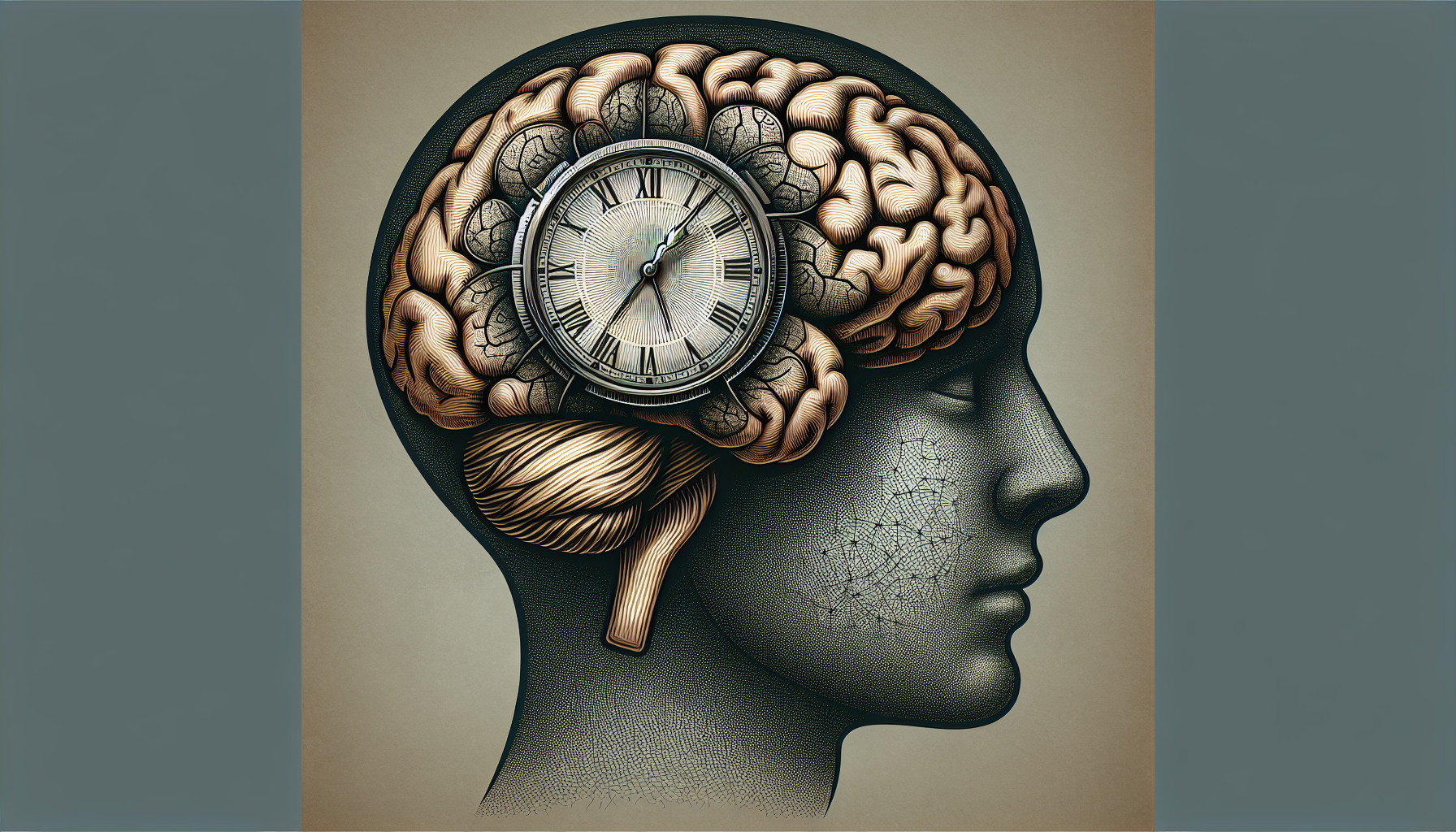
  • Understanding ADHD Time Blindness

    Understanding ADHD Time Blindness

    You look at the clock.

    It’s 10:12.

    You think:

    “I’ll just do this quickly.”

    Five minutes. Ten at most.

    You start.

    You get into it.

    And then you look up again.

    It’s 11:47.

    And you genuinely don’t know where that time went.


    This Isn’t Carelessness

    From the outside, it looks simple.

    “You lost track of time.”
    “You got distracted.”
    “You need to manage your time better.”

    But that explanation doesn’t quite fit.

    Because this doesn’t feel like a small mistake.

    It feels like time itself…

    isn’t behaving properly.


    What Time Blindness Actually Is

    Time blindness is exactly what it sounds like.

    Not literally—but functionally.

    Your brain doesn’t consistently register:

    • How much time has passed
    • How long something will take
    • How close something actually is

    So instead of time feeling structured and predictable…

    It feels loose.

    Flexible.

    Almost abstract.


    Why “Five Minutes” Doesn’t Mean Much

    For most people, time has weight.

    They can feel the difference between:

    • 5 minutes
    • 30 minutes
    • An hour

    Not perfectly—but enough.

    With ADHD, that sense isn’t consistent.

    So:

    “Five minutes” can turn into thirty.

    “I’ll do it later” can turn into tomorrow.

    “There’s plenty of time” can suddenly become:

    “I’m late.”


    The Two Extremes of Time

    This is where it becomes noticeable.

    Time often feels like one of two things:

    Now
    or
    Not Now

    That’s it.

    Something is either immediate…

    Or it feels distant and unreal.

    Even if it’s important.

    Even if it’s coming up soon.

    Until it becomes urgent…

    It doesn’t fully register.


    Why Deadlines Feel Strange

    This is why deadlines can feel confusing.

    Because until they’re close enough to create pressure…

    They don’t feel real.

    You know they’re there.

    You’re aware of them.

    But there’s no internal signal saying:

    “This matters right now.”

    So starting early feels unnecessary.

    Until suddenly…

    It isn’t.


    The Panic Switch

    This is where everything changes.

    When a deadline becomes immediate, your brain reacts.

    Urgency kicks in.

    Time becomes real.

    And now:

    • You can focus
    • You can act
    • You can move quickly

    Which creates the confusion.

    Because if you can do it now…

    Why couldn’t you do it earlier?

    The answer is simple:

    Earlier, it didn’t feel real yet.


    Why This Gets Mislabelled

    From the outside, this looks like:

    • Poor time management
    • Lack of planning
    • Not caring enough

    But those explanations miss what’s actually happening.

    This isn’t about managing time badly.

    It’s about experiencing time differently.


    The Hidden Stress of Time Blindness

    This creates a constant underlying pressure.

    Because even when you’re not actively thinking about time…

    It’s affecting everything.

    You might:

    • Underestimate how long things take
    • Overestimate how much time you have
    • Feel constantly “behind”

    And over time, that builds into stress.

    Not because you don’t care.

    Because the system you’re using doesn’t match your experience.


    Why Standard Advice Doesn’t Help

    “Just manage your time better.”

    That assumes time already feels stable.

    Predictable.

    Visible.

    If it doesn’t…

    That advice doesn’t land.

    Because you’re being told to manage something that doesn’t feel consistent in the first place.


    The Shift That Changes Everything

    This is where things start to make sense.

    You stop asking:

    “Why am I so bad with time?”

    And start asking:

    “How do I make time visible?”

    Because once time becomes visible…

    It becomes usable.


    What Actually Helps

    This isn’t about becoming perfect with time.

    It’s about supporting your awareness of it.

    Which can mean:

    • Using timers to create structure
    • Breaking tasks into time-based chunks
    • Setting external reminders (not relying on memory)
    • Making time visible through clocks, alarms, or prompts

    You’re not fixing yourself.

    You’re adjusting the environment.

    And that makes everything easier.


    You’re Not “Bad at Time”

    Let’s say this clearly:

    You’re not bad at time.

    You experience it differently.

    And once you understand that difference…

    You can work with it.


    The Relief of Understanding

    When this clicks, something shifts.

    Because now:

    • You stop blaming yourself for being “late”
    • You stop thinking you’re careless
    • You start seeing the pattern

    And patterns can be managed.

    Once they’re visible.


    👉 Ready to Finally Understand Your Brain?

    If time has always felt slightly… off…

    If you’ve never quite been able to explain why things slip…

    This isn’t about discipline.

    It’s about understanding how your brain experiences time.

    You’re not broken.

    You’ve just been measuring time with the wrong tools.

    Start here:
    👉 www.yourbrainisntbroken.co.uk


    Know someone who is always “losing time”?
    Send them this.

    Because they’re probably not careless… just experiencing time differently.