It happens quickly.
Faster than you expect.
Something starts off fine.
Interesting enough.
Engaging enough.
Manageable.
And then suddenly…
It’s not.
The interest drops.
The focus fades.
The effort feels heavier.
And just like that…
You’re bored.
What People Assume
From the outside, it looks simple.
“You get bored easily.”
“You need more discipline.”
“You just don’t stick with things.”
Which leads to the assumption:
You lack attention.
But that’s not what’s happening.
This Isn’t About Attention
You don’t lack attention.
You’ve proven that.
You can focus for hours.
Deeply.
Intensely.
Completely locked in.
So the issue isn’t your ability to focus.
It’s what your brain responds to.
The Role of Stimulation
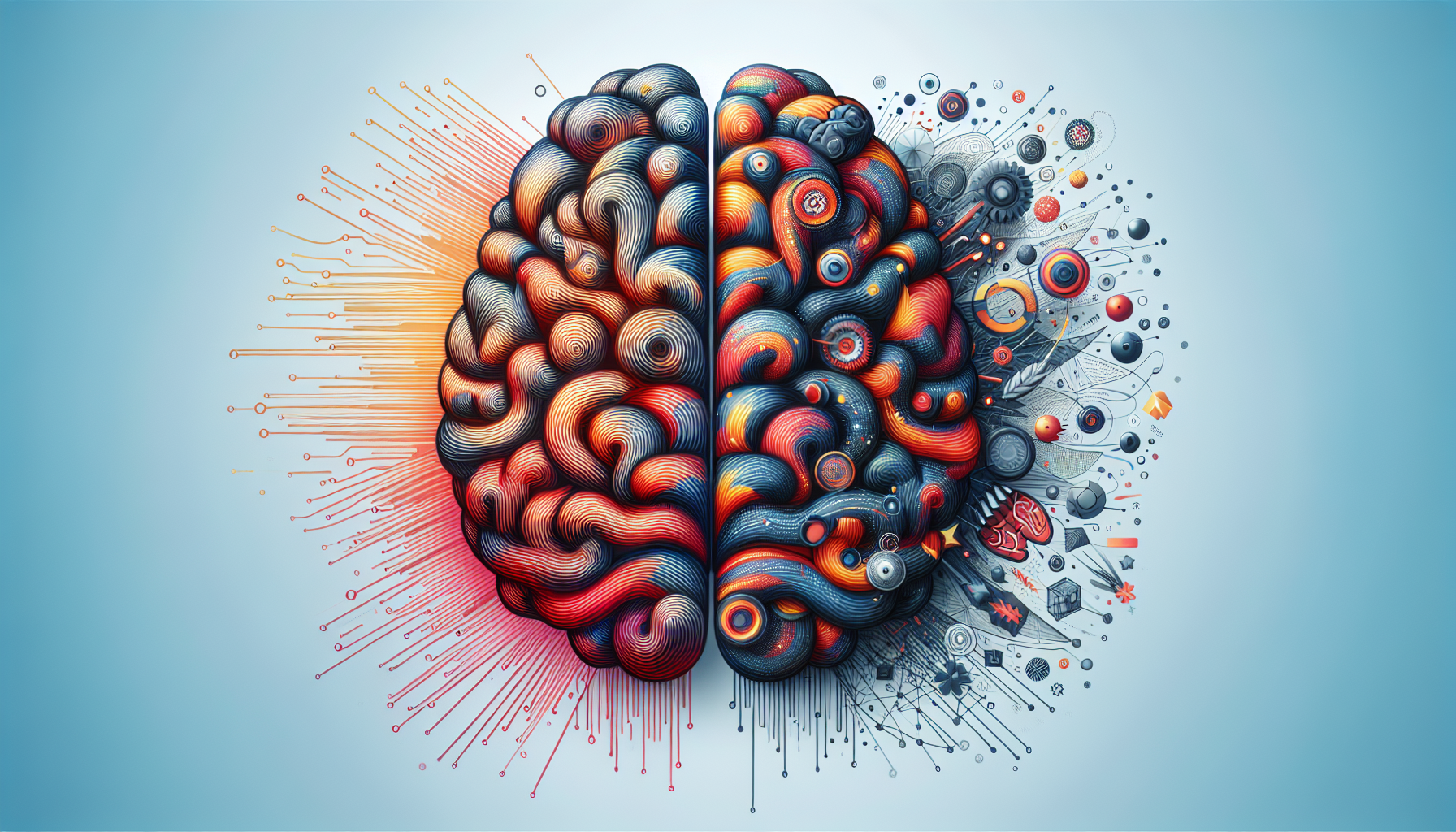
Your brain runs on stimulation.
It looks for:
- Interest
- Challenge
- Engagement
When those are present?
Focus happens naturally.
When they’re not?
Everything slows down.
Or stops.
Why Interest Fades So Fast
This is where it becomes noticeable.
Something new creates engagement.
It’s fresh.
Stimulating.
Your brain locks in.
But once that novelty fades…
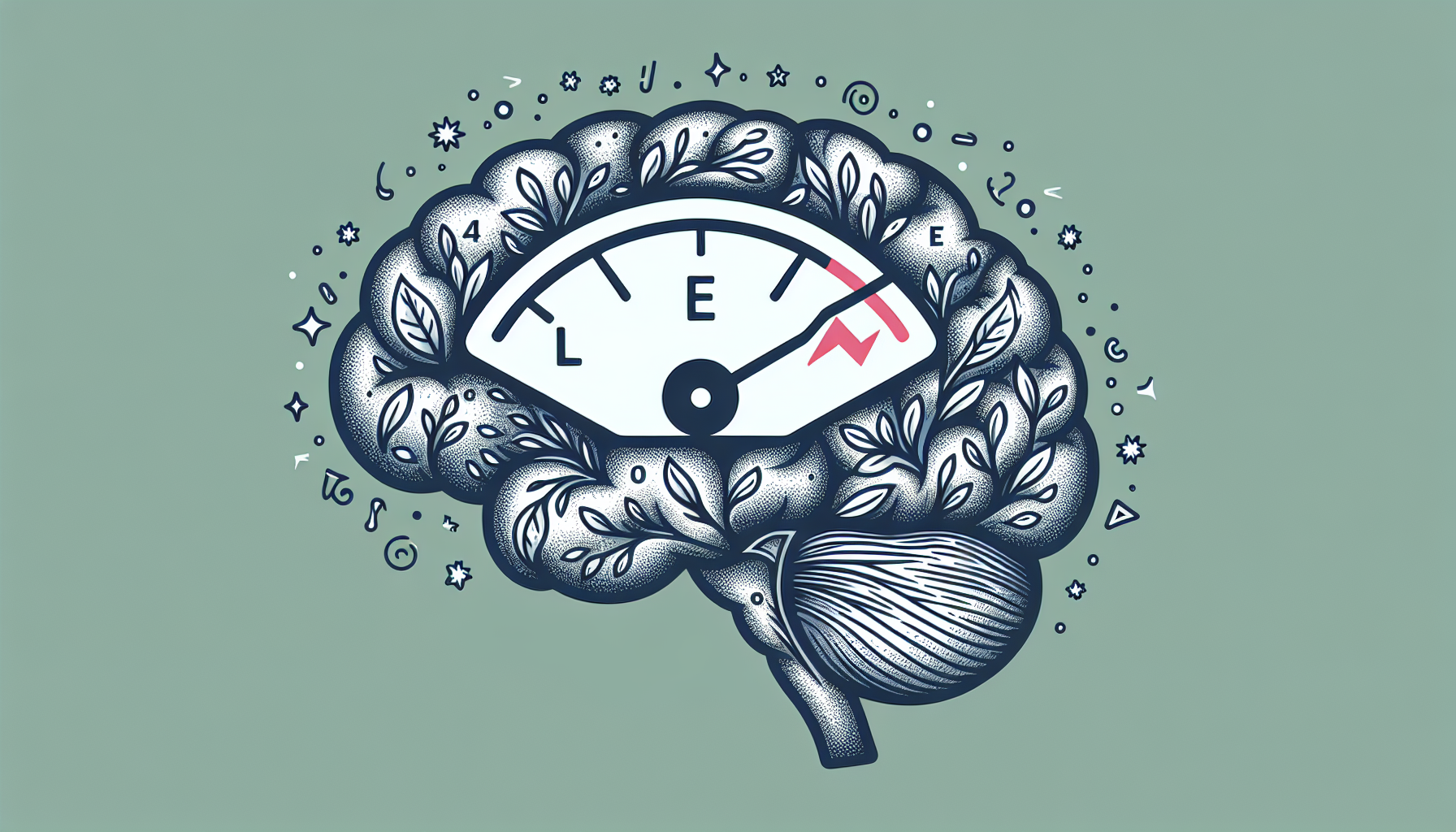
The stimulation drops.
And when stimulation drops…
So does engagement.
Which feels like boredom.
Why Boredom Feels So Strong
This isn’t mild boredom.
It’s not just:
“I’d rather do something else.”
It’s stronger than that.
It feels like:
- Resistance
- Restlessness
- Discomfort
Like your brain is pushing you away from the task.
Not gently.
Firmly.
The Need to Shift
Because of that discomfort…
You look for something else.
Not consciously.
Naturally.
Something:
- More interesting
- More engaging
- More stimulating
And once you find it…
Your attention moves.
Quickly.
Why This Gets Mislabelled
From the outside, it looks like:
- Lack of focus
- Poor discipline
- Short attention span
But those labels miss the point.
This isn’t about inability.
It’s about engagement.
The Frustration It Creates
Because you don’t want to feel like this.
You want to:
- Stay consistent
- Finish what you start
- Follow things through
But when engagement drops…
Everything becomes harder.
And without understanding why…
It feels like a personal failure.
Why “Just Stick With It” Doesn’t Work
This is where advice falls short.
“Push through it.”
“Stay disciplined.”
But pushing through requires sustained engagement.
And when your brain isn’t engaged…
That effort feels much higher.
So it doesn’t last.
The Shift That Changes Everything
You stop asking:
“Why do I get bored so easily?”
And start asking:
“What keeps my brain engaged?”
Because once you understand that…
You can work with it.
What Actually Helps
This is where things become practical.
You don’t eliminate boredom.
You reduce it.
By:
- Changing how tasks are approached
- Adding variation
- Breaking things into engaging segments
- Reducing repetition where possible
You’re not forcing focus.
You’re supporting engagement.
You’re Not “Easily Bored”—You’re Understimulated
This is the reframe.
You’re not the problem.
Your brain is responding to low stimulation.
And once stimulation drops…
Engagement follows.
That’s the pattern.
The Relief of Understanding This
When this clicks, something shifts.
Because now:
- You stop blaming yourself for losing interest
- You start recognising the pattern
- You begin adjusting how you approach things
And that changes how you work.
👉 Ready to Finally Understand Your Brain?
If you’ve always felt like you lose interest too quickly…
If boredom hits harder than it should…
This isn’t about discipline.
It’s about how your brain responds to stimulation.
You’re not broken.
You’ve just never been shown how your brain stays engaged.
Start here:
👉 www.yourbrainisntbroken.co.uk
Know someone who “gets bored too easily”?
Send them this.
Because they’re probably not losing focus… just losing stimulation.